Window Installation & Replacement in Colorado

New Construction Windows (New Windows Installation)

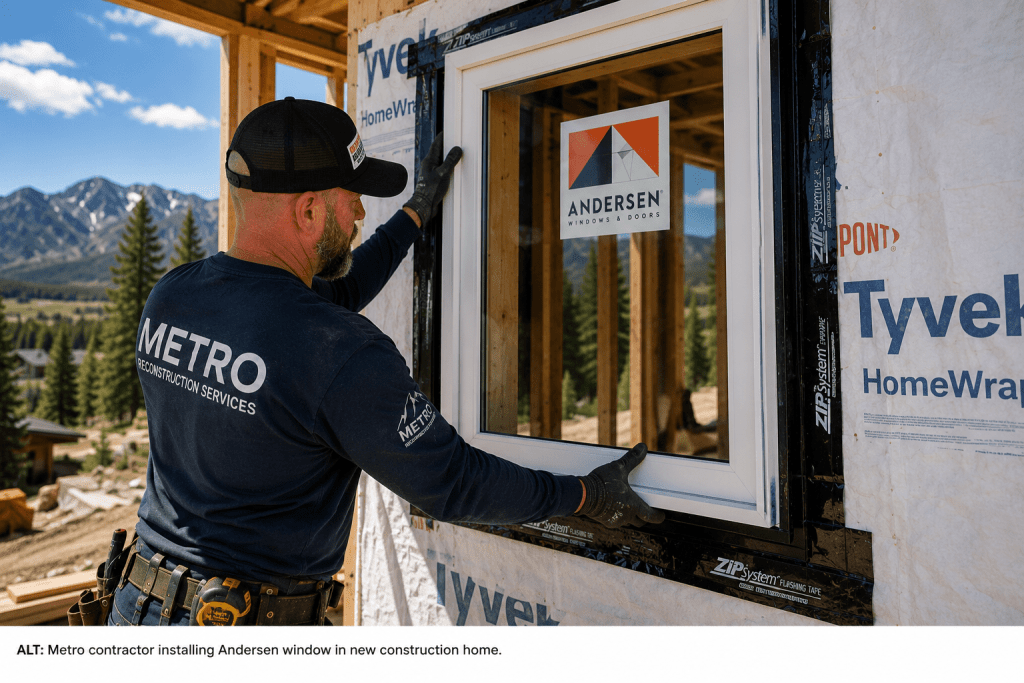
Many homeowners believe that new construction windows—often called “new windows”—are only used for brand-new homes or major remodels. In reality, this is a common misconception.

New construction windows can also be installed during a window replacement project, as long as the exterior of the home is properly exposed. This type of installation requires access to the home’s substrate or sheathing, allowing the window to be securely attached directly to the framing using a nail flange.

This installation method is considered one of the best ways to install windows because it creates a complete, weather-tight seal around the entire window opening. By integrating the window directly with the structure of the home, it significantly reduces the risk of air and water intrusion.

While installing new construction windows may involve a higher upfront cost compared to retrofit options, it provides superior long-term performance, durability, and energy efficiency. For homeowners looking for the most effective window replacement solution, this method delivers the best overall results.

Replacement Windows

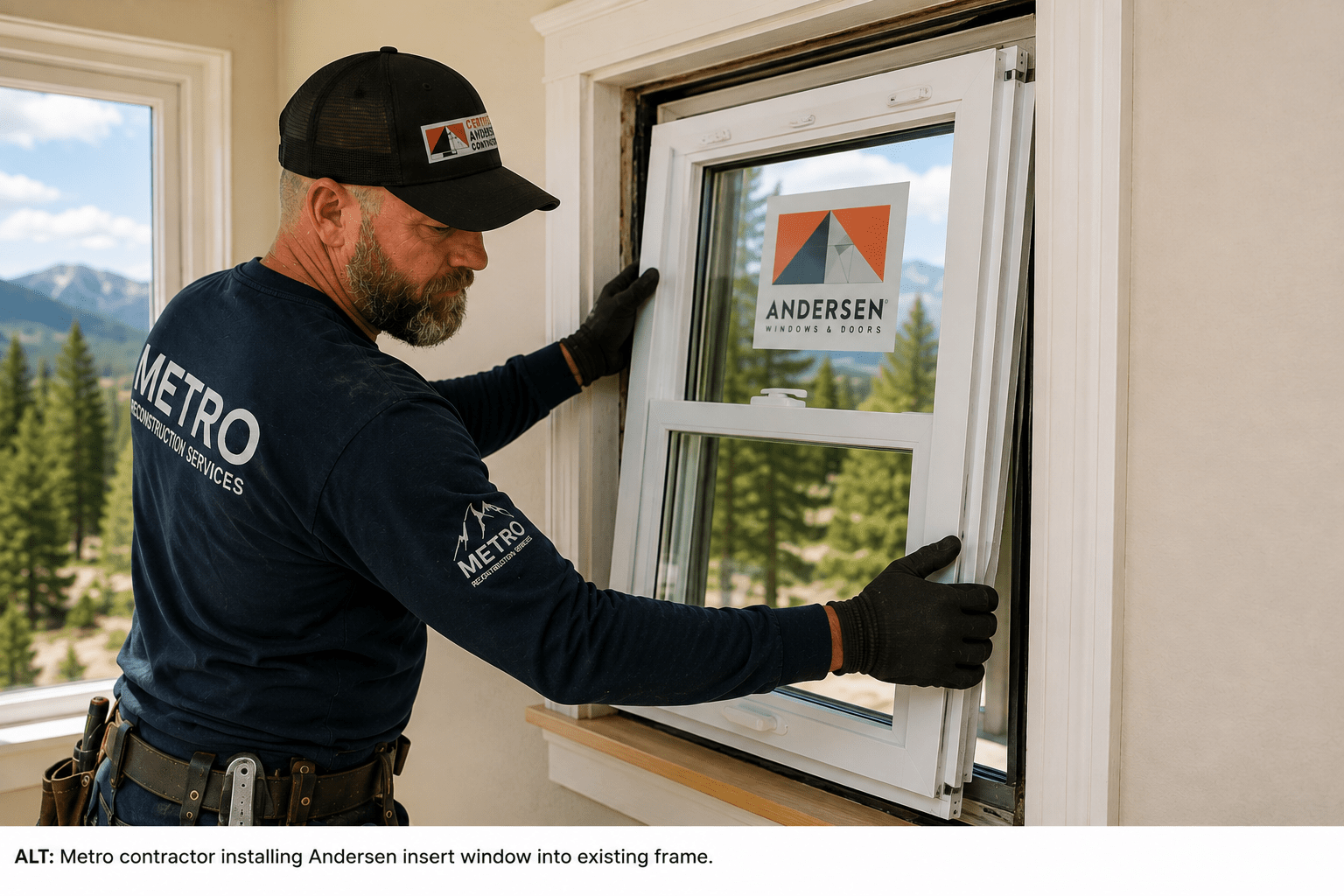
Replacement windows are the most common option when homeowners are upgrading or switching out old windows. This method is typically more affordable because it does not require removing the home’s siding.

During a standard replacement window installation, the existing window is cut out, including the original nail flange. The new window is then fitted into the existing opening. Installers typically secure the unit with fasteners and seal it with caulking around the edges.

While this process is quicker and more cost-effective, it comes with trade-offs. Because the window is not integrated directly into the home’s framing system, it often lacks a complete weather-tight seal. This can lead to common issues such as:

  • Water intrusion
  • Air leaks and drafts
  • Heat loss and reduced energy efficiency

For homeowners, this means that although replacement windows may save money upfront, they may not provide the same long-term performance as a full new construction window installation.


Water Intrusion Around Windows

One of the most serious issues associated with improperly installed or aging windows is water intrusion.

Water intrusion often begins at vulnerable areas like window miter joints, especially when they are not properly maintained. Over time, these joints can separate, allowing moisture to enter behind the window and into the structure of the home.

Regular inspection and maintenance of window joints and seals are critical to keeping your home weatherproof. However, once windows begin to fail, simple fixes are no longer enough.

Signs of Failing Windows:

  • Cracked or separating miter joints
  • Visible gaps or failed caulking
  • Water stains around windows
  • Drafts or noticeable temperature changes

If these issues are present, the windows should be fully replaced using proper installation methods, including:

  • Rubberized flashing for waterproofing
  • Nail flange integration
  • Head flashing to direct water away
  • Professional-grade sealing and caulking

It’s important to understand that while caulking can help prevent minor moisture issues, it cannot repair existing damage or stop ongoing intrusion if the installation is incorrect.

When windows are not replaced properly, the consequences can be severe. Ongoing water intrusion can lead to:

  • Structural damage
  • Wood rot
  • Mold growth
  • Health and safety risks for occupants

The Importance of a Nailing Flange on Windows

A nailing flange on a new construction window is the metal or vinyl fin that extends outward from the perimeter of the window frame. This flange allows the window to be securely fastened directly to the home’s framing while creating a tight, weather-resistant seal around the entire opening.

This is a critical component of proper window installation, as it helps integrate the window with the home’s weather barrier system, preventing air and water from entering.

In contrast, replacement windows typically do not include a nailing flange—or the flange is removed prior to installation to make the process quicker and less expensive. While this may reduce upfront costs, it also eliminates one of the most important sealing components of the window system.

Choosing to install windows without a nailing flange can lead to serious long-term issues, including:

  • Water intrusion
  • Air leaks and drafts
  • Reduced energy efficiency
  • Premature window and wall system failure

At Metro Reconstruction Services, INC, we rarely recommend standard replacement window installations because we understand how important it is to seal windows correctly the first time. While installing new construction windows with a nailing flange may cost more initially, it provides superior protection, durability, and long-term performance for your home.


Benefits of Properly Installed, High-Quality Windows

When windows are installed correctly using a nailing flange and proper flashing methods, homeowners benefit from:

  • Improved Energy Efficiency
    Helps reduce heating and cooling costs by minimizing air leaks
  • Noise Reduction
    Creates a tighter seal that reduces outside noise
  • Enhanced Security
    Stronger installation improves overall window stability
  • Greater Interior Comfort
    Maintains more consistent temperatures throughout your home
  • Protection for Siding and Stucco
    Proper sealing prevents moisture from damaging exterior finishes

Schedule Your Free Window Estimate

If you’re considering window replacement or new window installation, it’s important to choose a method that protects your home long-term.

📞 Call (303) 543-9549 or contact us today to schedule your free estimate.


See a Proper Window Installation Example

The Waterway Rainscreen installation process provides a strong example of how windows should be properly installed—especially before the stucco phase begins. While systems may vary, the key takeaway is the importance of correct flashing, sealing, and integration with the wall system. Please click here to watch the video. the important part is the begining up to about 3:29.
Considering Replacing Your Windows?